.png)
Is a Fixer-Upper Worth It? Pros, Costs, ROI, and Contractor Tips

A fixer-upper can be a smart buy or an expensive lesson. The difference comes down to numbers, condition, timing, and the people doing the work.
The appeal is clear. Lower purchase price. More control over finishes. A chance to build equity. The risks are just as real. Hidden damage, rising material costs, delays, and projects that grow after closing.
This guide is informational only. Talk with a local real estate agent, lender, inspector, contractor, and tax professional before making a financial decision.
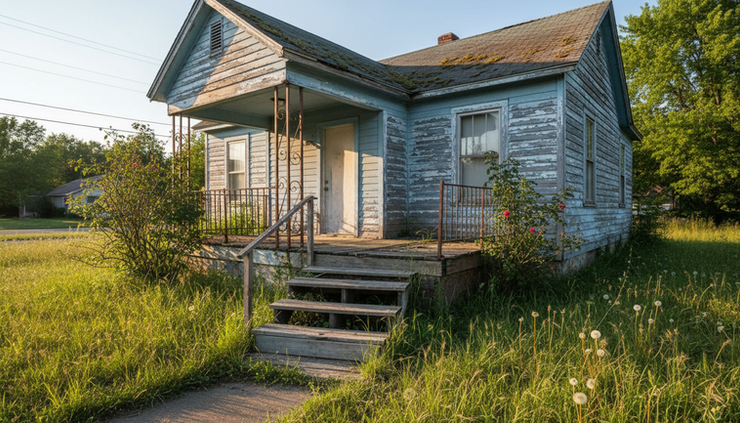
The main pros and cons of buying a fixer-upper
Pros
Lower entry price in many markets
More room to customize the home
Potential equity if repairs add value
Less competition from buyers who want move-in ready homes
Cons
Repair costs can exceed the plan
Financing can be harder for major repairs
Permits and inspections can slow work
Living through renovations can be stressful
The best fixer-uppers have problems that are visible, priced in, and repairable. Think worn flooring, dated kitchens, old fixtures, bad paint, or neglected landscaping.
The worst ones hide major issues. Foundation movement, unsafe wiring, roof leaks, termite damage, mold, and sewer problems can quickly erase any savings.
A good deal is not just a low price. A good deal has a complete budget and a realistic resale value.
Run the numbers before falling in love
Start with the full cost, not the list price.
Use this simple framework:
Purchase price
Closing costs
Inspection costs
Renovation budget
Permit fees
Temporary housing, if needed
Loan costs and interest
Contingency fund
Holding costs if you will resell
A contingency fund matters. For cosmetic work, many buyers set aside extra funds for surprises. For older homes or larger repairs, the cushion should be bigger. Walls, crawl spaces, attics, and sewer lines often reveal problems after work starts.
Next, estimate the after-repair value. This is the likely market value after the work is complete. Compare the repaired home to nearby homes with similar size, age, lot size, layout, and condition.
Do not compare a modest ranch to a fully rebuilt custom home. That leads to false confidence.
A simple rule helps:
If the purchase price plus repairs leaves no room for risk, pass.
Return on investment also depends on the project. Kitchen updates, bathroom updates, flooring, paint, curb appeal, and basic system repairs often matter to buyers. Luxury finishes rarely pay back dollar for dollar in an average neighborhood.

Check the property condition with a clear system
Do not rely on charm. Walk the home like an inspector.
Look closely at these areas:
Roof and gutters
Check for missing shingles, sagging rooflines, water stains, and bad drainage. A roof near the end of its life can become a major cost fast.
Foundation and structure
Watch for large wall cracks, sloping floors, doors that do not close, and gaps around windows. Small cracks can be normal. Movement needs expert review.
Electrical system
Older panels, cloth wiring, overloaded outlets, and exposed wiring need attention. Electrical work can also trigger code upgrades.
Plumbing
Check water pressure, stains under sinks, slow drains, old water heaters, and signs of past leaks. Sewer line inspections are often worth the extra cost in older homes.
HVAC
Ask about age, service history, and performance. Replacing heating and cooling systems can take a large part of the budget.
Moisture and drainage
Musty smells, stains, soft flooring, and damp basements are warning signs. Water problems often lead to bigger repairs.
Get a full home inspection. For older or distressed properties, add specialists when needed. That may include a structural engineer, roofer, electrician, plumber, pest inspector, or sewer scope technician.
Choose contractors before you need them
Bad contractor choices can turn a solid fixer-upper into a mess. Start early.
Ask for referrals from agents, inspectors, neighbors, and local trade suppliers. Then check each contractor with the same care you give the house.
Look for:
Active license, when required by your state or city
Proof of insurance
Recent local references
Clear written estimates
Payment schedule tied to progress
Experience with homes like yours
Comfort with permits and inspections
Avoid vague bids. A useful estimate lists labor, materials, scope, timeline, and exclusions. If one bid is far lower than the others, ask why. It may leave out key work.
Do not pay the full amount upfront. A deposit may be normal. Full payment before work starts is a red flag.
Put changes in writing. Small verbal changes can cause big disputes later.

Two fixer-upper examples that worked
A first-time buyer in the Midwest bought a small 1960s home that had sat on the market. The kitchen was dated. The carpet was worn. The yard needed cleanup. The inspection showed the roof, foundation, plumbing, and electrical system were serviceable.
They focused on paint, flooring, cabinet refinishing, lighting, and basic landscaping. They did much of the simple work themselves and hired licensed trades for electrical updates. The home appraised higher after repairs, and the monthly payment stayed within budget.
That project worked because the problems were mostly cosmetic.
A couple in the Southeast bought a larger home with a poor layout and an old bathroom. They planned a moderate remodel. During demolition, they found water damage near a tub. Their contingency fund covered the repair, but it delayed the schedule.
They still came out ahead because they had picked a strong location and avoided overbuilding. They chose durable mid-range finishes instead of expensive custom options.
That project worked because the budget had room for surprises.
When a fixer-upper is not worth it
Walk away if the deal depends on perfect luck.
Be cautious when:
The home has major structural issues
The seller will not allow inspections
Repair costs are unclear
Local permits are hard to get
The resale value does not support the work
You need to move in fast
Financing will not cover the condition
You have no cash cushion
A fixer-upper also may not fit your life. Renovations take time and attention. Even with great contractors, someone must make decisions, approve changes, order materials, and solve problems.
If the home will be your primary residence, think about daily life. Dust, noise, temporary kitchen setups, and blocked rooms can wear people down.

FAQ
How much should I budget for repairs?
Start with contractor estimates, then add a contingency fund. Older homes and major system repairs need a larger cushion than cosmetic updates.
Can I finance a fixer-upper?
Yes, but loan options depend on the home’s condition and the type of repairs. Some renovation loans include repair funds. Ask a lender early.
What repairs add the most value?
Visible, practical improvements often help most. Clean paint, flooring, kitchen updates, bathroom updates, curb appeal, roof repairs, and working systems matter to buyers.
Should I live in the home during renovation?
Only if the work allows safe daily living. Avoid living in a home during major electrical, plumbing, structural, or full kitchen and bath projects unless you have a clear plan.
How do I avoid overpaying?
Use local comparable sales, real repair estimates, and a conservative after-repair value. If the math only works in the best case, keep looking.
The bottom line
A fixer-upper is worth it when the price, repairs, timeline, and future value all make sense. It is not worth it when emotion replaces math.
Before making an offer, price the work, inspect the major systems, and talk with contractors. Keep the plan simple. Leave room for surprises.
If you want help weighing a fixer-upper against move-in ready homes, contact Team Tyler Nguyen before you commit. A second look at the numbers can save a lot of stress later.


Comments